Curious why homes in Arizona Biltmore Estates can feel so distinct from one another, yet still belong to the same architectural story? That is part of what makes this area so compelling. If you are buying, selling, or simply studying the neighborhood, understanding its defining styles can help you read a property more clearly, from curb appeal to floor plan to long-term value. Let’s dive in.
Why Arizona Biltmore Estates Feels Cohesive
Arizona Biltmore Estates is not a one-style neighborhood. Instead, it is a layered community shaped by the influence of the Arizona Biltmore resort, which opened in 1929 and helped establish the area’s resort-driven design identity. The City of Phoenix describes the resort as a landmark with Wrightian-influenced modern architecture, geometric textile-block construction, natural materials, and a site plan oriented to mountain views, as outlined in the City of Phoenix planning documents.
That broader identity carries into the surrounding residential areas. According to ABEVA, the master HOA oversees residential properties across multiple communities and helps maintain architectural and landscape continuity. So while individual homes may range from revival styles to desert modern and contemporary estates, the neighborhood still reads as visually connected.
Resort Influence Shapes the Area
One of the clearest influences in Arizona Biltmore Estates is the legacy of resort architecture. The historic core of the Biltmore introduced a design language centered on geometry, natural materials, courtyards, open space, and a strong relationship to the desert setting. That influence still shows up in how homes are sited, landscaped, and experienced.
You can often see this in shaded entries, privacy walls, patios, and framed views. Outdoor living is not an afterthought here. It is part of the architectural DNA, supported by the area’s long-standing emphasis on desert landscape design, open-air gathering spaces, and interaction with the environment, as reflected in the same City of Phoenix documents.
Spanish Colonial Revival Features
Spanish Colonial Revival is one of the styles most commonly associated with the Biltmore area. This style typically includes stucco exteriors, low-pitched red-tile roofs, arches, decorative tile, courtyards, and asymmetrical massing, based on National Park Service architectural references.
In Arizona Biltmore Estates, those features often create a warm, formal, resort-like feel. You may notice shaded entry sequences, wrought-iron details, and courtyard-focused layouts that make the home feel private while still welcoming. These homes tend to deliver strong curb appeal through texture, rooflines, and layered outdoor spaces.
What buyers often notice
Spanish Colonial Revival homes often feel expressive from the street. Arches, tilework, and enclosed courtyards can create a more dramatic arrival experience than simpler home styles.
Inside, the layout may feel more segmented and intentional. Rather than one expansive shared room, you may find a stronger hierarchy between formal and informal spaces, with transitions through courtyards, covered walkways, or loggias.
Mediterranean Revival Details
Mediterranean Revival shares some visual overlap with Spanish Colonial Revival, but it often presents a more symmetrical and formal composition. Typical features include hipped red-tile roofs, central entrances, loggias, and more balanced window placement, according to the same National Park Service style guidance.
In the Biltmore setting, Mediterranean Revival homes can feel especially aligned with the area’s classic luxury image. They often project a composed, estate-like character, with structured façades and covered outdoor rooms that support entertaining. If you are drawn to timeless architectural cues, this style may stand out.
Mission Revival and Southwestern Cues
Some homes in the area also reflect Mission Revival or related Southwestern influences. These properties tend to be quieter in appearance, with smooth stucco, parapet walls or shallow roof pitches, simpler massing, and modest ornamentation.
Compared with more decorative revival homes, these residences often feel more grounded and restrained. That can appeal to buyers who want architectural character without too much formality. In practical terms, these homes may emphasize thick wall profiles, wood-framed openings, and a strong sense of shelter from the desert climate.
Ranch and Mid-Century Appeal
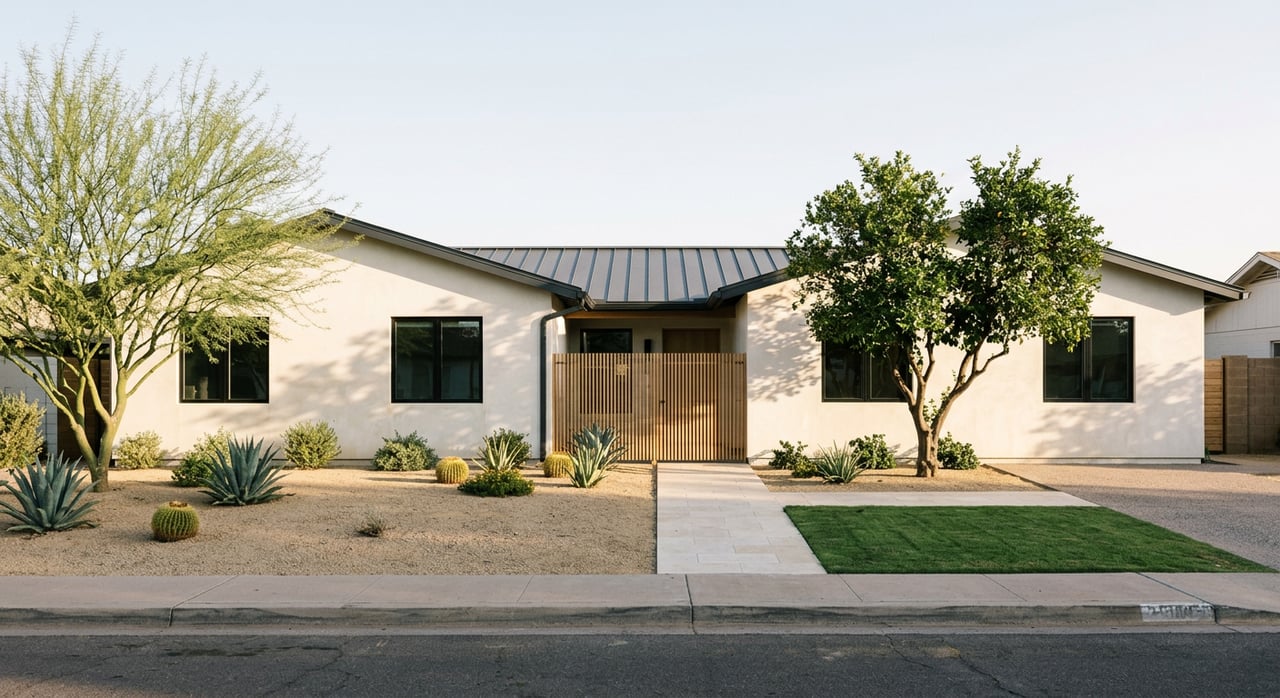
Ranch and mid-century influenced homes add another important layer to Arizona Biltmore Estates. The National Park Service description of Ranch style highlights one-story massing, low-pitched roofs, wide eaves, large windows, attached garages, and private rear patios.
That design language translates well to the Biltmore setting. These homes often sit lower and wider on the lot, with simpler street-facing massing and a stronger emphasis on the backyard. Pools, patios, and larger glass openings tend to play a bigger role in daily living.
Why this style still resonates
Ranch and mid-century homes often support an easy indoor-outdoor lifestyle. They can feel casual, open, and highly livable, especially for buyers who prioritize natural light, flow, and connection to the landscape.
In Arizona Biltmore Estates, these homes may also offer appealing renovation potential. Their clean lines, broad footprints, and large lot relationships often lend themselves to thoughtful updates while preserving the original architectural intent.
Desert Modern Living
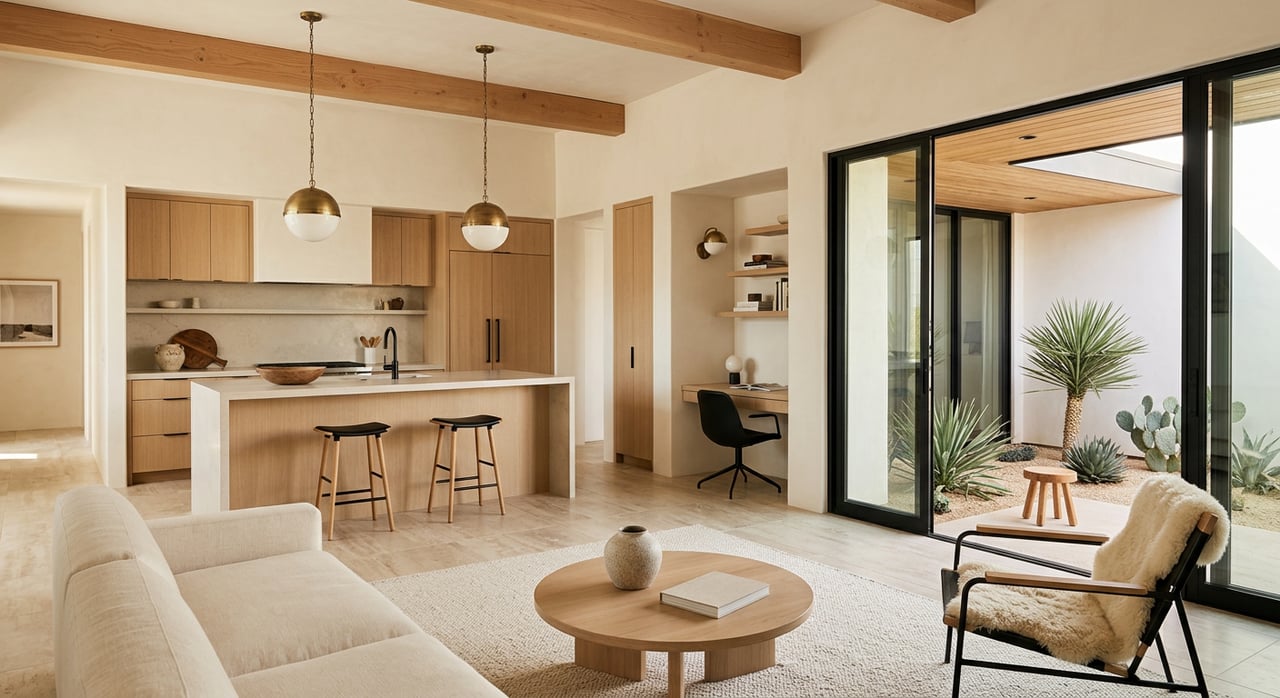
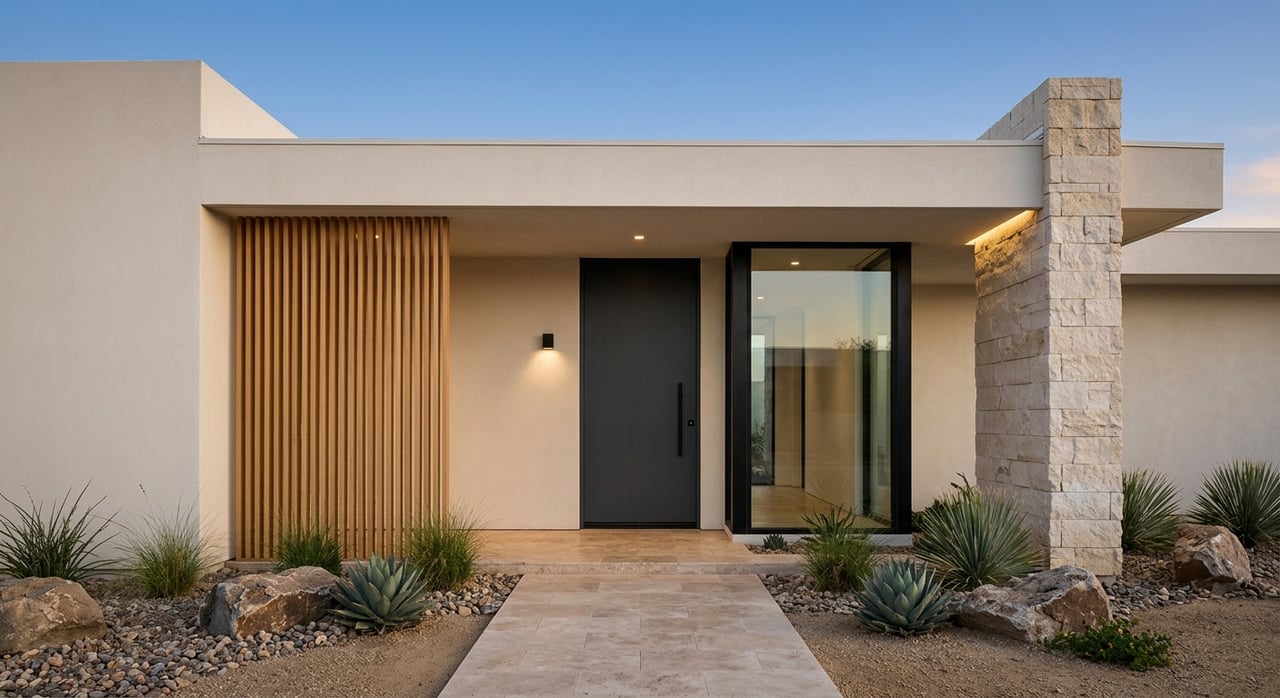
Desert modern homes build on mid-century ideas with a stronger response to climate, materials, and contemporary living patterns. In this area, that often means flat or low-sloped roofs, picture windows or clerestory glass, deep overhangs, and open floor plans.
This style tends to highlight the lot itself. Rather than focusing only on façade detail, desert modern homes frame mountain views, pool areas, courtyards, and mature desert landscaping. The effect is often calm, airy, and connected to the environment.
Contemporary Custom Estates Today
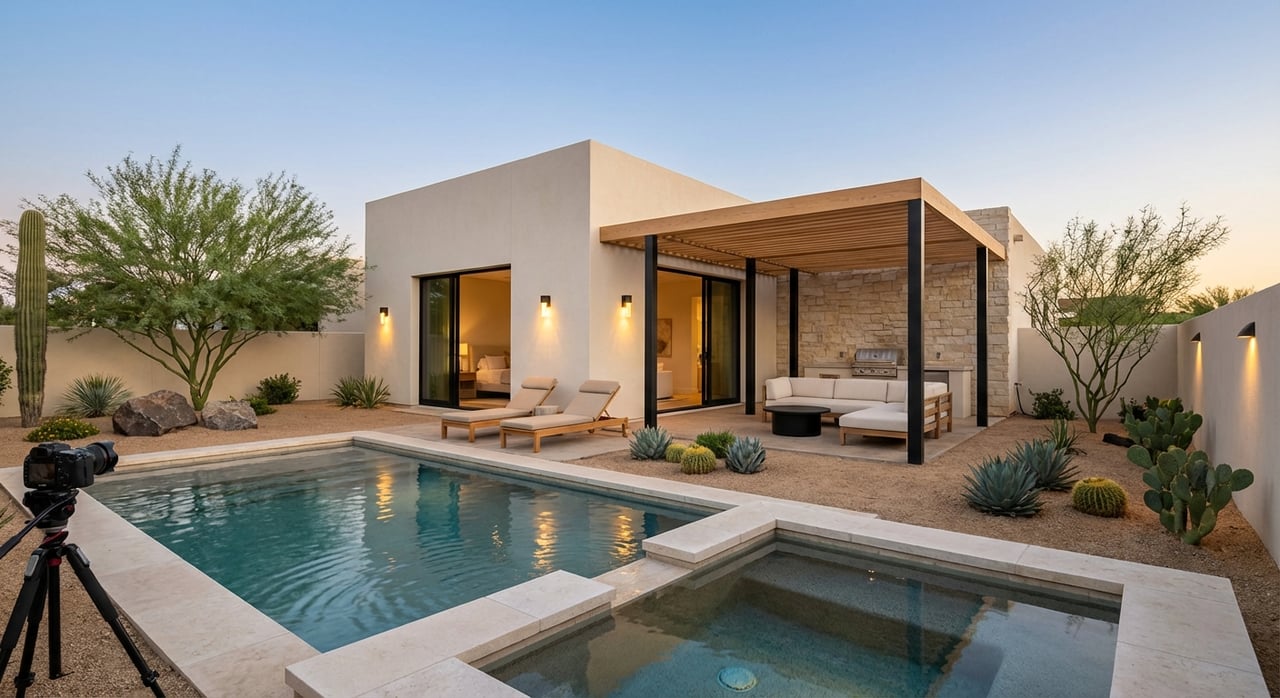
Newer custom homes and major remodels in Arizona Biltmore Estates often lean contemporary. While each property is unique, this newer layer generally emphasizes steel and glass, expansive great rooms, premium finishes, and outdoor living spaces that function as true extensions of the interior.
These homes often reflect how luxury buyers live now. Covered lounges, outdoor kitchens, poolscapes, fire features, and flexible entertaining areas all support a more seamless lifestyle. In a neighborhood with a strong architectural framework, contemporary design can feel fresh without losing the Biltmore connection.
Architectural Clues That Matter
If you are reviewing listings in Arizona Biltmore Estates, certain terms can help you quickly understand a home’s style and context. Useful vocabulary includes:
- Stucco
- Red-tile roof
- Courtyard
- Loggia
- Parapet
- Arcade
- Low-pitched roof
- Clerestory glass
- Deep overhang
- Indoor-outdoor flow
- Textile-block construction
- Biltmore block
One especially notable term is Biltmore block, the geometric concrete block associated with the resort’s architectural legacy. The Arizona Biltmore resort history describes this textile-block look as a signature visual element, and it remains one of the clearest cues connecting a property to the broader Biltmore design story.
Style Shapes How a Home Lives
Architecture in Arizona Biltmore Estates is not just about looks. Style often gives you clues about how a home functions day to day.
Revival homes usually create a more formal sequence, from the entry to the main rooms to the courtyard or loggia. Ranch and mid-century homes often prioritize width, rear-yard privacy, and simpler flow. Contemporary homes typically push open-concept living further, with large shared spaces and outdoor areas designed to feel like part of the interior.
For buyers, this helps narrow the search beyond square footage alone. For sellers, it shows why presentation matters. When a home’s architecture is clearly understood and marketed well, buyers can better appreciate both its design and lifestyle value.
What to Know About Design Review
In Arizona Biltmore Estates, architectural identity is also shaped by governance. ABEVA explains that it oversees architecture and landscaping outside individual communities, though some Biltmore Estates Drive properties are grandfathered and exempt.
That matters when you evaluate a home or plan future improvements. It is helpful to distinguish between original character, approved renovations, and newer infill or condo product. The City of Phoenix also notes a landmark-designated historic core within the resort property, where physical changes are reviewed to help protect historic character.
Why This Matters for Buyers and Sellers
If you are buying in Arizona Biltmore Estates, architectural style can guide more than personal taste. It can help you identify the kind of floor plan, outdoor setup, and renovation path that best fits your goals.
If you are selling, style is part of the story that should be translated clearly through staging, photography, and narrative marketing. In a neighborhood where design is part of the value proposition, the right presentation can help buyers understand not just what your home is, but why it stands out.
Whether you are comparing courtyard-centered revival homes, low-slung ranch properties, or sleek contemporary estates, a clear architectural lens helps you make more confident real estate decisions. If you want expert guidance on positioning, evaluating, or marketing a home in this area, connect with Vanessa Roark for thoughtful, design-aware strategy tailored to the Biltmore market.
FAQs
What architectural styles are common in Arizona Biltmore Estates?
- The area is known for Spanish Colonial Revival, Mediterranean Revival, Mission-influenced and Southwestern homes, Ranch, mid-century and desert modern designs, plus newer contemporary custom estates.
What makes Arizona Biltmore Estates feel architecturally cohesive?
- The neighborhood has a shared resort-adjacent identity shaped by landscape continuity, design review, and the lasting influence of the Arizona Biltmore’s architectural legacy.
What is Biltmore block in Arizona Biltmore architecture?
- Biltmore block refers to the geometric concrete block associated with the Arizona Biltmore resort’s textile-block design language and is a key visual cue in the area’s architectural story.
How do revival-style homes in Arizona Biltmore Estates usually live?
- Revival-style homes often feature a more formal arrival sequence, stronger room hierarchy, and transitions through courtyards, arcades, or loggias.
What should buyers know about architecture rules in Arizona Biltmore Estates?
- Buyers should know that ABEVA oversees architecture and landscaping in much of the area, while some properties are grandfathered, so it is important to understand a home’s specific review context.
Why does architectural style matter when selling a home in Arizona Biltmore Estates?
- Architectural style helps shape buyer expectations around curb appeal, layout, outdoor living, and overall lifestyle, which makes accurate presentation and marketing especially important.