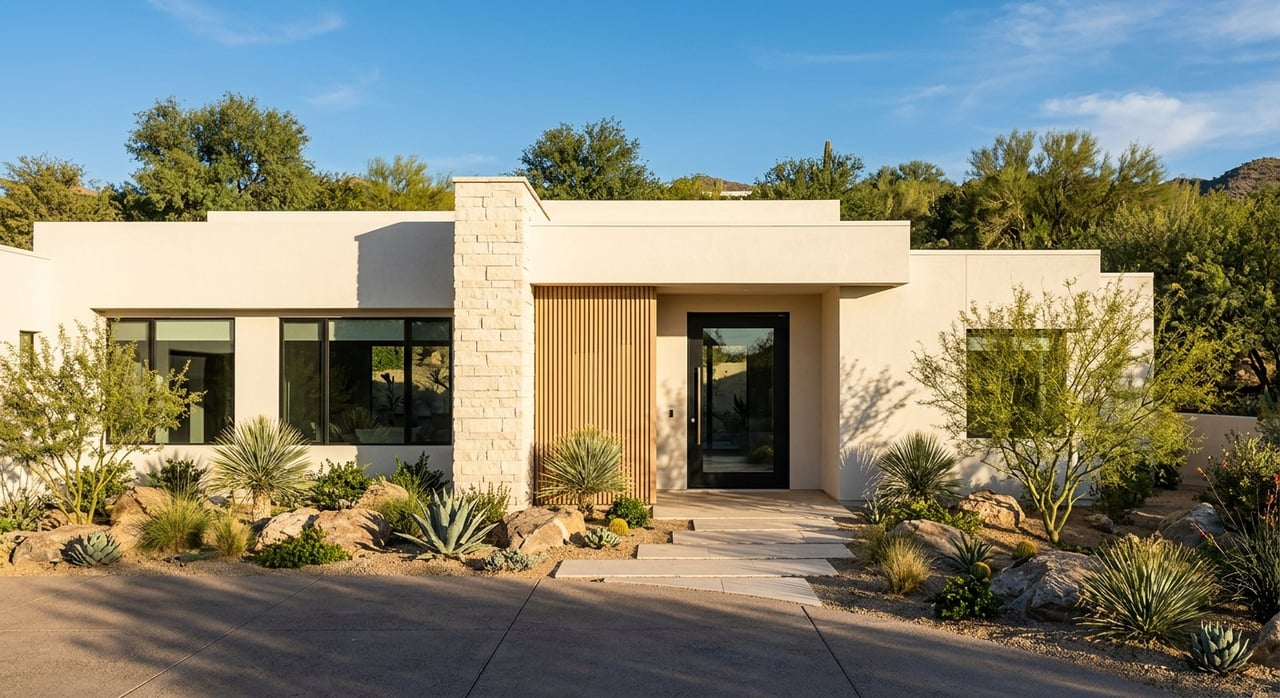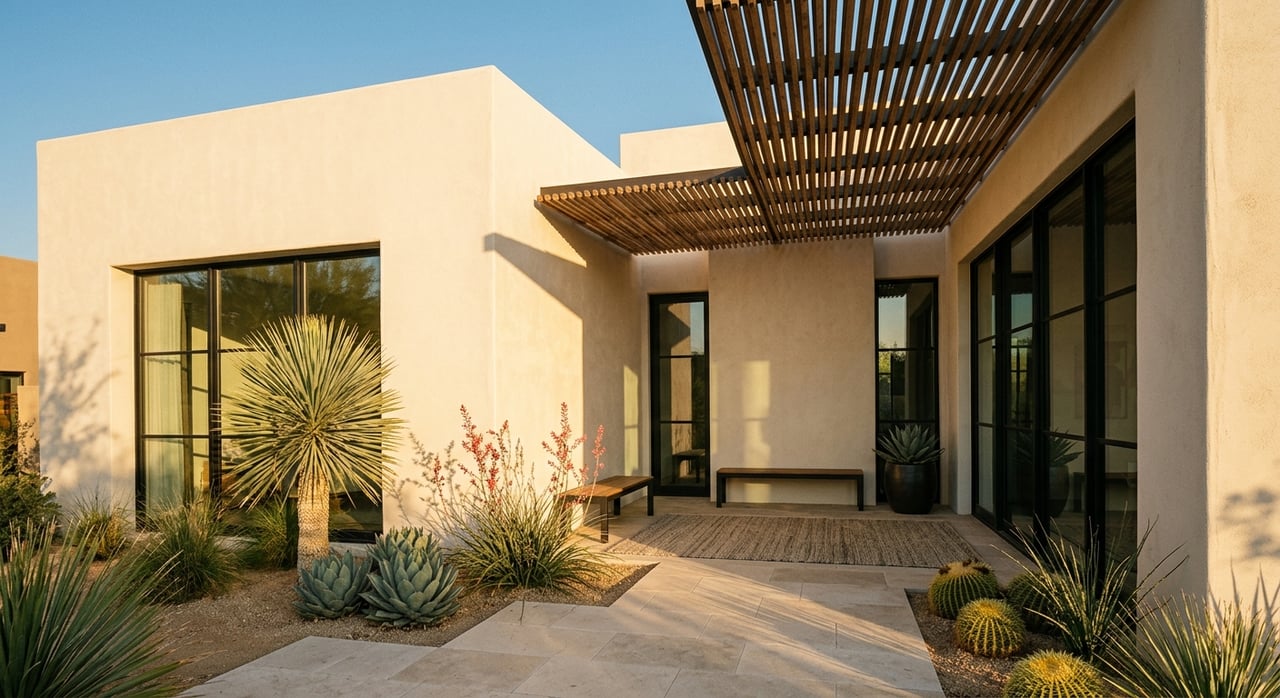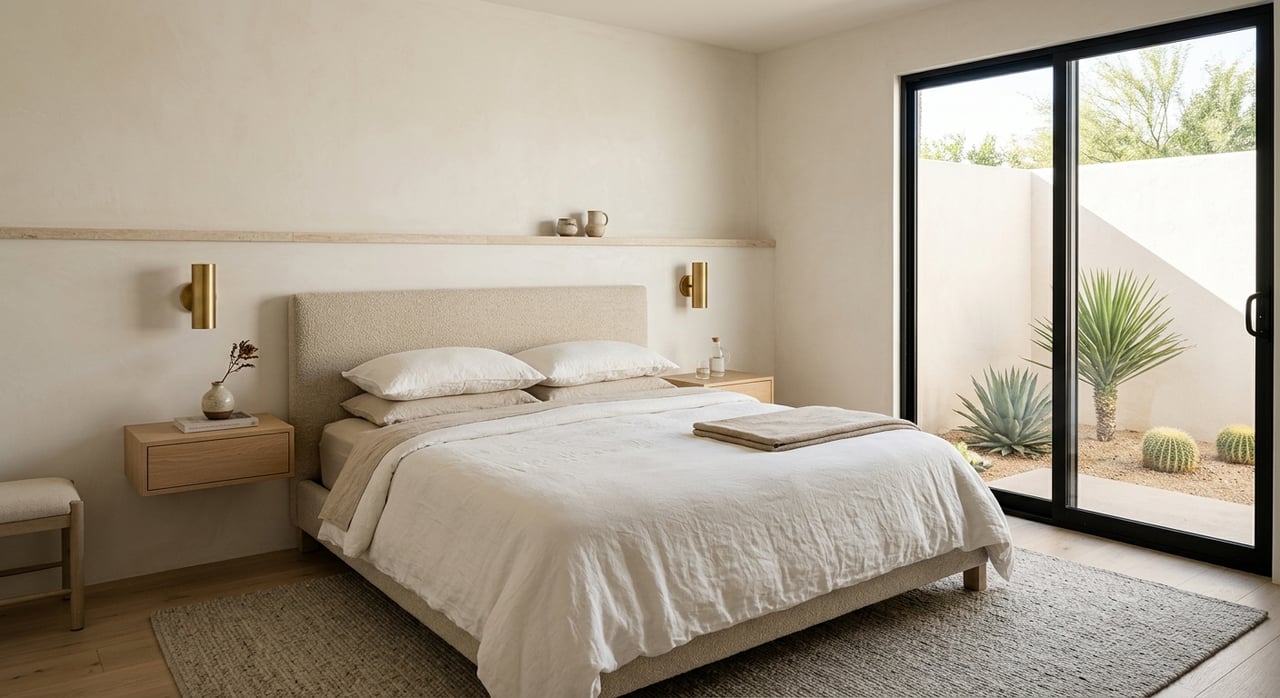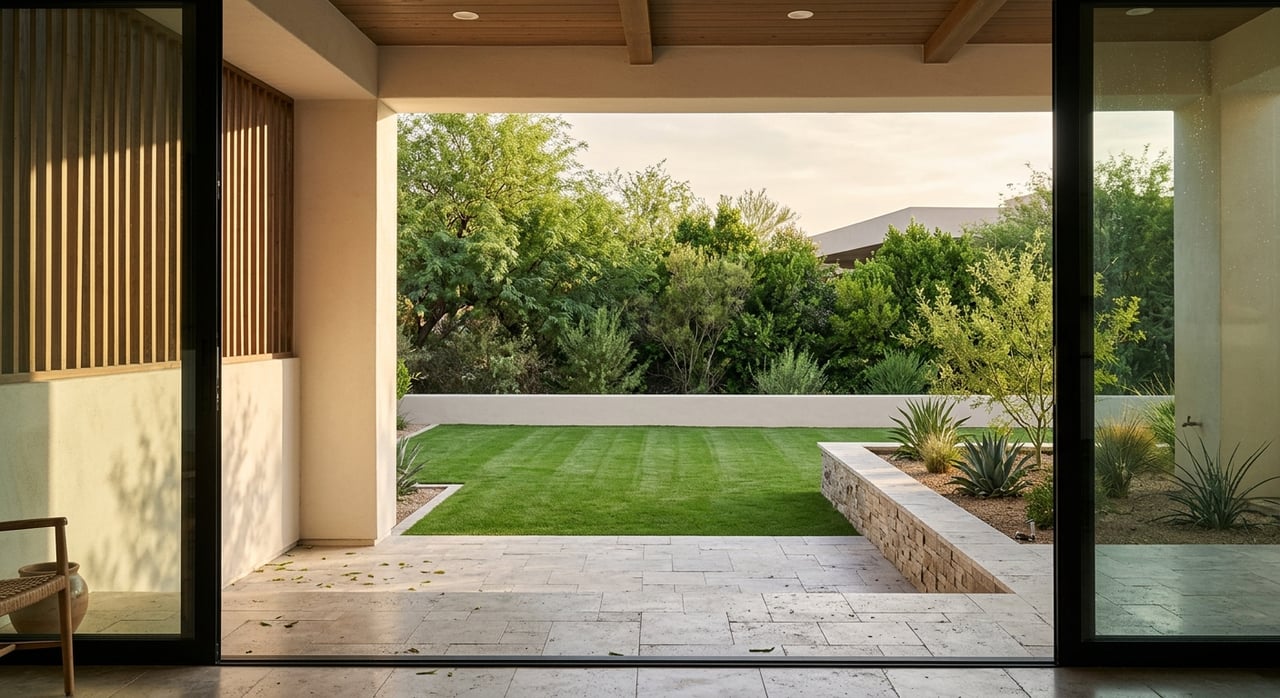
If you’re moving to Chandler for work, your housing choice can shape your whole experience. A shorter commute, the right home type, and a realistic budget can make your first year in the East Valley feel far less stressful. The good news is that Chandler offers strong job access, a range of housing options, and several distinct residential pockets that fit different work patterns. Let’s dive in.
Why Chandler draws relocating professionals
Chandler has become a major destination for professionals because it pairs a large employment base with established neighborhoods and freeway access. The city reports a population of 292,280 and 114,788 housing units, while Census QuickFacts for Chandler shows a 2020 to 2024 median household income of $108,095, a 65.0% owner-occupied rate, and a mean travel time to work of 23.9 minutes.
A big reason people relocate here is the job mix. According to the city’s high-tech manufacturing and development page, Chandler’s economy is anchored by high-tech manufacturing, finance, and healthcare, with major employers that include Intel, Microchip Technology, NXP, Northrop Grumman, Wells Fargo, Bank of America, Chandler Regional Medical Center, and Banner Health.
For you, that means Chandler is not just a place to live near Phoenix. It is a city where housing decisions often start with where you work and how often you need to be in the office.
What housing costs look like
If you are arriving with a rough budget in mind, expect most for-sale housing conversations to center around the low to mid $500,000s. Zillow’s Chandler home value data places the average home value at $521,806, and the city’s existing conditions report gives a 2024 median resale single-family price of $565,000.
That same city report is helpful because it breaks out housing types. In 2024, the median price for condos and townhomes was $375,000, while the median new single-family home price was more than $800,000. New attached units had a median price of $520,000.
So how much home can you reasonably expect around $500K? In many cases, that budget may line up more naturally with an attached home, a condo, a townhome, or an older resale property rather than a brand-new detached house. If your goal is a newer single-family home in a close-in area, you may need to expand your budget, adjust your location, or consider a temporary rental first.
Why supply feels competitive
Chandler’s housing search can feel tight because the city is largely built out. The city’s 2025 Housing Needs Assessment says Chandler is 94.22% built out, which helps explain why supply can feel limited in the most convenient pockets.
That same local data helps set expectations for housing mix. Chandler has a higher share of single-family detached homes than Maricopa County overall, but about 18.5% of housing units are multifamily, excluding duplexes and three- and fourplexes. For a relocating buyer or renter, that often means the most affordable or most available options may be attached homes or apartment communities rather than detached resale homes near major job centers.
Best Chandler areas by job location
The smartest way to search is simple: job first, commute second, neighborhood third, and house style last. In Chandler, that order can save you time and help you avoid falling in love with a home that creates a frustrating daily drive.
Price Corridor for tech and finance
If you work for Intel, Wells Fargo, Bank of America, Northrop Grumman, or Microchip Technology, the Price Corridor is the most obvious starting point. The city identifies it as Chandler’s largest employment corridor, with 42,060 jobs and 749 businesses.
For many relocators, living near this area can reduce drive time and make hybrid schedules easier. It is often the practical choice if your workdays are office-heavy and you want easier access to Loop 101 and Loop 202.
West Chandler for freeway access
West Chandler works well if you want strong access to I-10 and Loop 202. The city says this corridor includes 840 businesses and 29,900 jobs, with nearby neighborhoods and retail amenities.
This area can be especially useful if your job requires travel across the broader metro or if you commute toward Tempe or Phoenix. If cutting freeway time matters more than walkability, West Chandler deserves a close look.
Downtown Chandler for walkability
If you want the most urban feel in Chandler, Downtown Chandler stands out. The city describes it as compact and walkable, covering roughly a half square mile, with 1,571 residential units, 574 added in the past five years, and 450 or more in the pipeline.
Downtown also offers practical advantages for everyday life. The city notes five parking garages, free public parking, and three Valley Metro routes, making it one of the easier places in Chandler to handle errands, dining, and office access without always getting on the freeway.
Uptown Chandler for older housing stock
If you are open to a more established setting, Uptown Chandler may be worth exploring. The city describes it as an area with affordable homes, eclectic neighborhoods, and an infill incentive district, along with 12,030 jobs and 565 businesses.
For relocators, this can mean a broader mix of housing ages and styles. If you value character, older resale opportunities, or a less corporate feel, Uptown Chandler may offer options that align better with a middle budget.
South Chandler for healthcare access
If you work in healthcare, south and southeast Chandler deserve attention. The city’s healthcare and bioscience overview highlights Chandler Regional Medical Center and Banner Ocotillo Medical Center in the south side employment map.
This part of Chandler may also appeal if you want newer suburban housing and access to major local amenities. The same city information points to Veterans Oasis Park as a key southeast Chandler amenity, which can be helpful if outdoor access is part of your lifestyle goals.
Can you live in Chandler without a car?
In most cases, you should plan on driving. Chandler has a strong freeway network, and the city’s existing conditions report shows why that matters: I-10 runs north-south in western Chandler, Loop 101 runs north-south through central Chandler, and Loop 202 runs east-west through the middle of the city.
Transit does exist, but it is not evenly spread across the city. The same report says Valley Metro service is concentrated primarily in northern Chandler, with east-west routes on Chandler Boulevard, Ray Road, and Elliot Road, and only three north-south routes extending south of Loop 202.
There are also a few targeted transportation tools. Chandler offers Chandler Flex from Ray Road to Chandler Heights Road and first-mile, last-mile Lyft discounts south of Pecos Road. Still, for most relocating professionals, a car remains the more practical choice for commuting, errands, and flexibility.
When a temporary rental makes sense
Sometimes the best relocation strategy is not buying right away. If you are moving on a deadline, starting a new role, or still learning the difference between Chandler’s employment corridors, a short-term rental or temporary landing spot can give you breathing room.
This approach can be especially helpful because Chandler’s market includes a wide spread in price by housing type. With median resale single-family homes at $565,000, condos and townhomes at $375,000, and new single-family homes above $800,000, the right fit may become much clearer once you experience your real commute and daily routine.
It can also help if your employer’s location sounds close on a map but feels different in rush-hour reality. In a city that is 94.22% built out, waiting a little can be smarter than rushing into a home that does not fit your work pattern or budget.
A practical relocation game plan
If you are preparing for a move to Chandler, this framework can keep your search focused:
- Identify your job corridor first. Start with Price Corridor, West Chandler, Downtown, Uptown, or south Chandler based on where you will actually work.
- Set a realistic housing type. Around $500K, consider whether an attached home, condo, townhome, or older resale fits your goals better than a new detached home.
- Decide how much driving you can tolerate. Chandler is manageable, but it is still car-first for most households.
- Compare lifestyle needs honestly. Walkability, freeway access, housing age, and proximity to work each matter in different ways.
- Use a bridge plan if needed. A temporary rental can help you buy with more confidence instead of more pressure.
A work relocation often moves fast, but your housing decision should still feel deliberate. The right roadmap can help you protect both your time and your budget.
If you want help narrowing Chandler by commute, budget, and lifestyle fit, Vanessa Roark offers hands-on relocation guidance across the Phoenix metro with a clear, local perspective.
FAQs
What home price range should relocating buyers expect in Chandler?
- Most local data points to a market in the low to mid $500,000s, with the city reporting a 2024 median resale single-family price of $565,000 and condos and townhomes at $375,000.
Which Chandler area is best for Intel or Price Corridor jobs?
- The Price Corridor is typically the most direct fit for Intel and other major tech and finance employers because it is Chandler’s largest employment corridor and sits near Loop 101 and Loop 202.
Is Downtown Chandler a good option for relocating professionals?
- Downtown Chandler can be a strong fit if you want a more walkable setting, a compact urban feel, and easier access to restaurants, errands, and some transit options.
Should healthcare workers focus on south Chandler?
- South and southeast Chandler are often practical places to start because Chandler Regional Medical Center and Banner Ocotillo Medical Center are both highlighted in the city’s south side healthcare employment map.
Can you comfortably live in Chandler without a car?
- Most people should plan on having a car because Chandler’s transportation system is still largely freeway-based, even though some Valley Metro routes, Chandler Flex, and Lyft support programs are available in parts of the city.
When is a temporary rental smarter than buying right away in Chandler?
- A temporary rental can make sense if you are moving quickly, still learning your commute, or deciding between neighborhoods and housing types in a market with limited close-in supply.