Most sellers assume a renovation's timeline scales with its size. A primary suite addition takes longer than swapping countertops, and a full teardown takes longer still. In Paradise Valley, that assumption holds until it doesn't. Somewhere in nearly every pre-listing scope of work sits a single measurement, 12 linear feet, and crossing it changes which permit process a project falls into altogether. It has nothing to do with budget or finish level. It has everything to do with how fast a home moves from "under renovation" to "on the market."
That distinction matters more this year than it usually does. Paradise Valley's resale market rewards condition heavily right now, which means the cost of a delayed renovation is not just the extra contractor invoice. It is the weeks a home sits unlisted while the market keeps moving without it.
The Line at Twelve Feet
Paradise Valley requires a demolition permit, filed and cleared before the building permit for the same project can even be submitted, whenever a scope removes more than 12 linear feet of wall, fence, roof, or slab. It reads like a narrow technicality until you map it against what sellers actually renovate before listing.
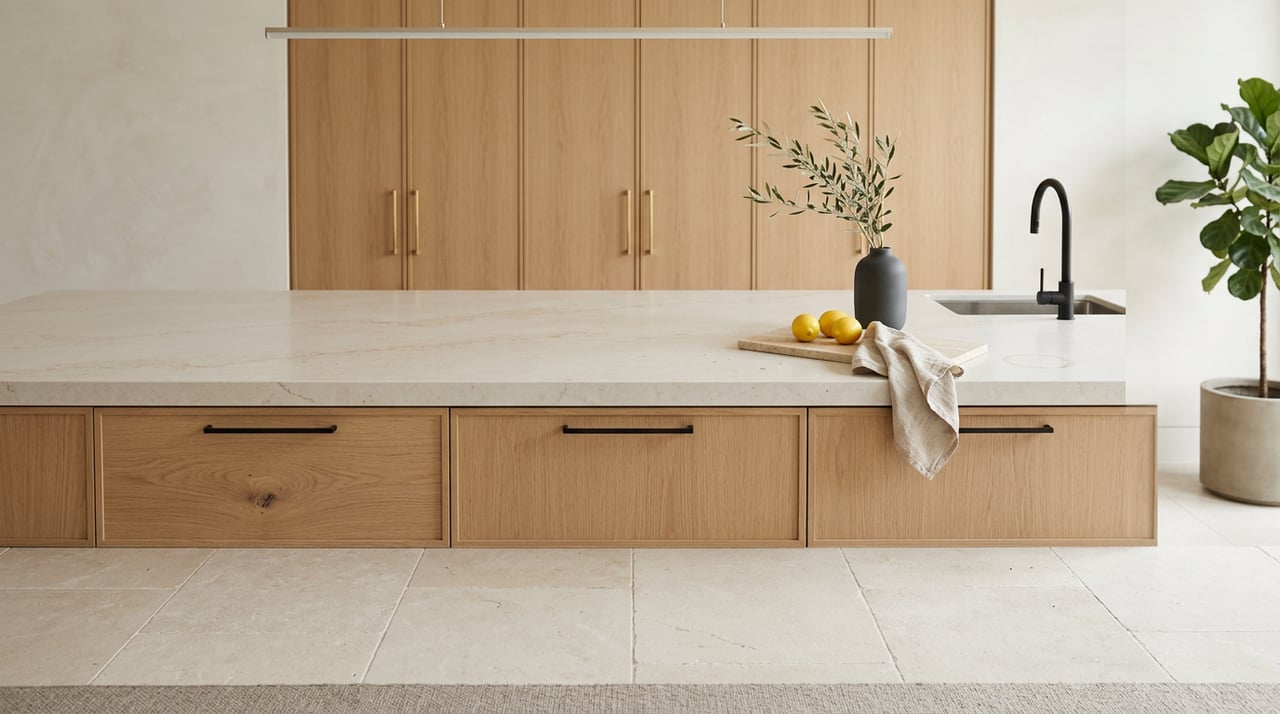
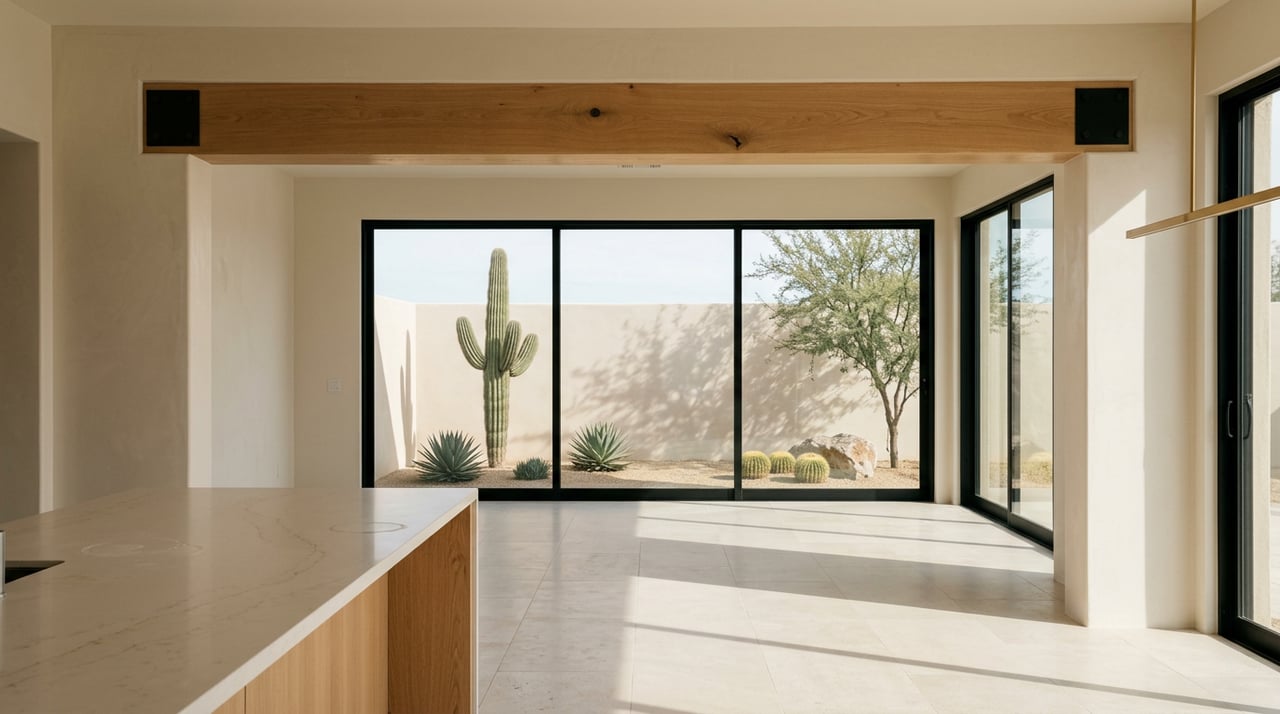
Opening a kitchen to a great room, a change buyers have come to expect and one the National Association of Realtors' 2025 Remodeling Impact reporting ties directly to resale appeal, routinely removes more than 12 feet of interior wall. So does swapping a solid block wall for open view fencing around a pool, or pulling out a section of an aging patio roof to rebuild it wider. None of these read as demolition to a homeowner. All of them read as demolition to the town.
The practical effect is sequencing, not just paperwork. A demolition permit has to be issued before the building permit application for the same project can move through review, according to the town's own building permit application guidance. A seller who assumes both permits will process side by side is planning around a step that does not exist.
Why the Clock Outweighs the Budget
Once a project reaches the Building Safety Department, the review timeline follows a fixed rhythm no matter the scope:
| Step | Typical timeline |
|---|---|
| Initial plan review | up to 15 business days |
| Each additional review round, if plans are redlined | up to 15 business days |
| Permit issuance after final approval | 3 to 5 business days |
| Permit validity once issued | 180 days, with an inspection required at least every 180 days to stay active |
A scope that clears review on the first pass can be permitted in roughly three weeks. A scope that needs one resubmittal, common when a contractor's drawings assume a more current code cycle than the one Paradise Valley actually enforces, stretches closer to six. The town has built to the 2015 International Residential and Building Code family since Ordinance 2016-02 took effect on May 26, 2016, with only the 2021 International Fire Code layered on top. Plans drafted against a newer code cycle elsewhere in the Valley often need at least one round of corrections here, and that round costs the same 15 business days as the first.
None of this includes actual construction. It is pure administrative time sitting between a signed contract and a crew on site.
Slope Adds Its Own Variable
A meaningful share of Paradise Valley lots near Mummy Mountain, Camelback Mountain, and the surrounding foothills carry enough grade to fall under review by the Hillside Building Committee, a body created under Article XXII of the town's zoning ordinance to evaluate land disturbance, height, lighting, and grading on sloped parcels. The committee's jurisdiction generally begins around 15 percent slope, and the allowable disturbance on a qualifying lot shrinks fast as the grade increases, from roughly 60 percent of the buildable site at a 10 percent slope down to about a third at 15 percent, and into single digits on the steepest ground.
That scale catches more than new construction. A pool remodel that regrades part of a backyard, a motor court expansion, or a patio pushed further into a slope can all trigger hillside review on a lot that never needed it for the original house. Separately, any project disturbing more than a tenth of an acre, 4,356 square feet, needs its own dust control permit from Maricopa County Environmental Services before the town will proceed, a threshold that ordinary yard-scale renovation work crosses more often than sellers expect.
What the Market Is Actually Rewarding
Over the three months ending April 2026, Paradise Valley homes sold for a median of $4.6 million, up 3.4 percent from the same period a year earlier, with an average of 69 days on market and roughly 100 closings a month.
That volume number matters as much as the price. A hundred sales a month, townwide, is a thin market. Day-on-market figures for Paradise Valley homes have swung from under 70 days to well over 120 at different points in 2026, a range that says less about softening demand and more about how sensitive a low-volume, high-price market is to timing and presentation in any given month. Recent closings have traded at roughly 95 percent of list price, consistent with a market that rewards a home that shows ready over one still mid-project.
The town's 2022 General Plan found that only about 5.2 percent of Paradise Valley's planning area remained undeveloped, which means most of the competition among sellers here is competition in condition, not competition from new supply. That is the tension a poorly timed renovation creates. The market is structurally set up to reward presentation, but the same regulatory framework that protects the town's character can turn a modest scope into a two-month administrative delay before the first day of marketing even begins.
The Plumbing Question That Surfaces Late
Any renovation touching supply or waste lines raises a question worth answering before a contract is signed, not during escrow. Paradise Valley is served by two separate sewer providers, City of Phoenix Water Services and a town system operated by the City of Scottsdale, and a meaningful share of parcels in town remain on private septic rather than either one. A kitchen or bathroom renovation that relocates fixtures on a septic property does not just need a building permit. Arizona requires a transfer inspection completed within six months of closing for any septic-served home, with the report delivered to the buyer, which means the renovation and the eventual sale timeline are not independent decisions. Confirming which system serves a property before scope is drawn up avoids finding out mid-project.
Renovate With the Sequence in Mind, Not Just the Scope
None of this argues against renovating before listing. A kitchen or primary suite that shows well still supports the pricing and pace described above. It argues for mapping a scope of work against the town's permit thresholds before signing a contractor, not after a redline comes back. That is the sequencing work built into Vanessa Roark's seller process for Paradise Valley listings: identifying which items in a renovation cross a demolition, hillside, or dust control threshold before scope is finalized, coordinating vendors who already build to the town's code cycle, and in select cases fronting the cost of the work itself so a seller isn't carrying two clocks, the town's and the market's, at once. A current home value estimate is often the right starting point for deciding whether a given renovation is worth the sequencing at all.
Frequently Asked Questions
Does every kitchen renovation in Paradise Valley need a demolition permit? No. A cabinet and countertop refresh that leaves walls in place typically stays under the 12-linear-foot threshold and does not trigger a separate demolition permit. Opening a wall between the kitchen and an adjoining room is where projects most often cross that line.
How do I find out if my lot falls under Hillside Building Committee review? The committee generally reviews lots at or above 15 percent slope, which describes a meaningful share of parcels near Mummy Mountain, Camelback Mountain, and the foothills. A pre-application review with the town's Community Development Department will confirm whether a specific parcel is subject to it before a design is finalized.
How much lead time should I plan for if I want to renovate before listing? Between initial plan review, a likely resubmittal round, and permit issuance, sellers should budget four to six weeks of administrative time before construction even starts on a modest scope, separate from the build itself. Working backward from a target listing date, rather than assuming the renovation and selling timelines run concurrently, is the safer plan in this market.
If a renovation is part of your plan to list in Paradise Valley, book a complimentary Home Marketing & Strategy Session before the first permit application goes in. Getting the sequence right the first time is often the difference between a six-week delay and a six-day one.